Food Is Our First Experience of Safety
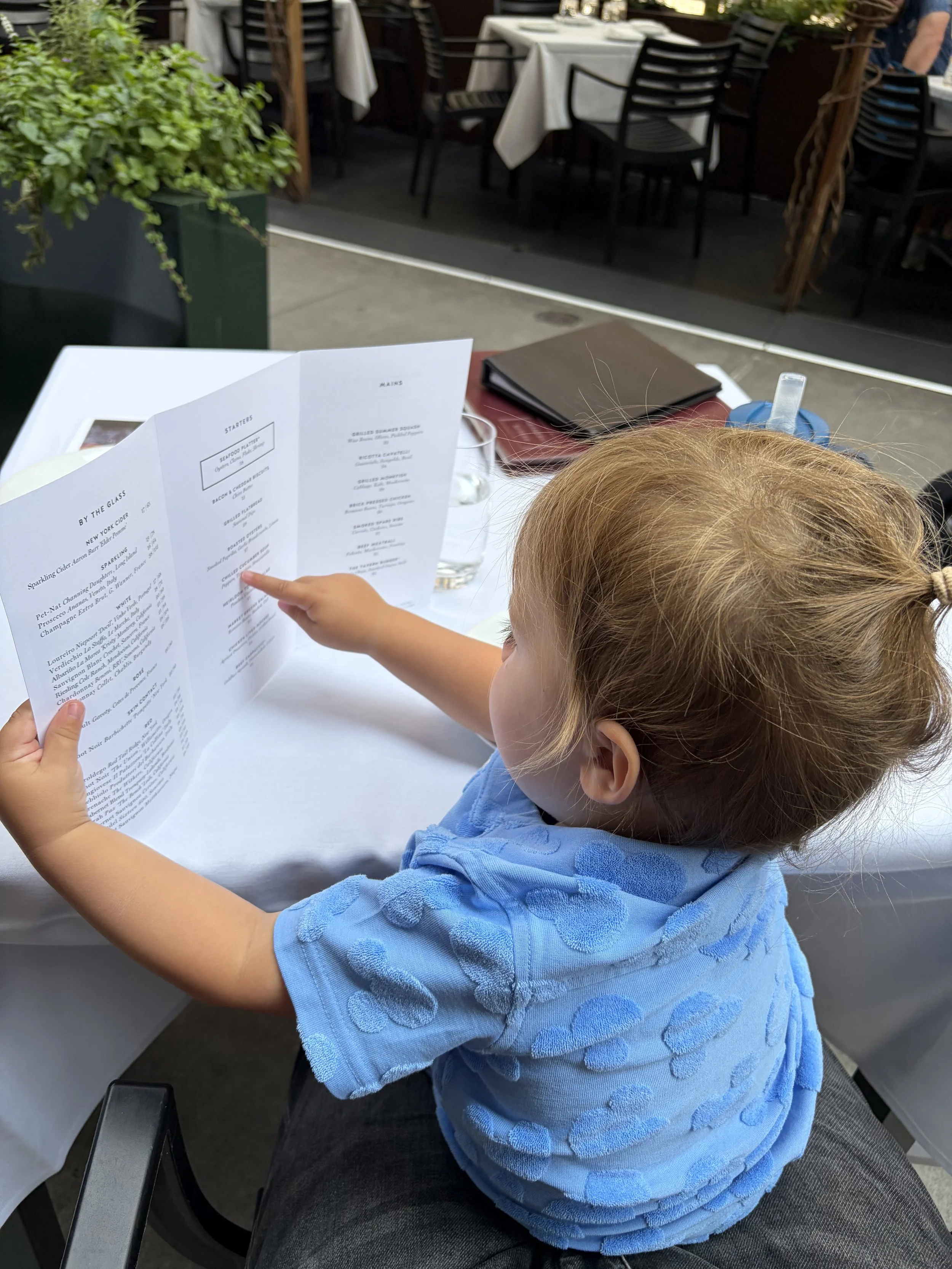
I’m going to share with you the best way to have a healthy relationship with food. It begins in infancy.
Our relationship with food begins with nurture.
For the first time in my life, I am exploring my own relationship with food, inspired by my son and wanting to be healthy for my next pregnancy.
About a month ago, I read the book Mother Hunger, which explores the relationship with food as a result of a lack of nurture from one’s mother during childhood, continuing into adulthood. It’s quite fascinating, and I recommend this book to every woman because it explores the relationship with one’s own mother and is an amazing tool for becoming a mother.
I was onto something because shortly after, I connected with nutritionist, Ziba Klein the first person who’s ever given me advice around food by addressing the feeling of safety. Nobody had ever mentioned it to me like this before. All the programs— counting macros, counting calories, restrictive diets, chasing symptoms—they do not address the underlying component of feeling safe.
Working with Ziba has been eye opening for me, and for the first time in my life I’ve started noticing the state of my nervous system and my food patterns around when I feel unsafe.
So many of us have difficult relationships with food, whether it’s binge eating, restricting, or something in between. Many people use disordered eating as a way to cope with the gaps in nurture they lacked as children.
I’ve talked a lot about breastfeeding and the way it provides a safe haven for babies and mothers, forming a lifelong imprint for the association between food, love, and comfort. Through this relationship, babies learn that food is safety. Nursing literally means to nurture.
Breastsleeping is an incredible tool for nurture, and all you need is yourself. It helps lay the foundation for a relationship with food rooted in trust, comfort, and connection rather than fear or control. Of course there are many ways to provide a nurturing relationship with food for babies beyond breastfeeding as well.
As our babies become toddlers, that same philosophy continues.
I once read that toddlers are the most misunderstood humans on the planet, and I agree with this. I am guilty of assuming I need to tell my son when to eat and sleep some days, but I would tell any parent that babies and toddlers do not need to be taught when to sleep or when to eat. Their bodies already know.
This is one of the reasons I am generally not a fan of feeding schedules (though in some situations it can be helpful) or forcing your baby or toddler to eat full meals or specific foods. The dietitian who’s a great guide for this is Dr. Kyla Ringrose. She explains that as we continue introducing foods to toddlers over and over again, eventually they will try them—or even develop a taste for them. Force-feeding and scheduled eating can override hunger cues and intuitive eating, making the relationship with food one that is unpleasant and misunderstood.
I try to spend a lot of time with my son simply enjoying food together and teaching him where it comes from, starting with a garden and, more recently, ending with composting. I once learned about thanking the food for giving its life for us to eat, and I try to teach that concept to him now.
When children experience food first through safety, love, and connection, they are more likely to grow into adults who see food as something that nourishes both their body and their soul. Instead of using food as a way to find safety, they can simply enjoy it—sharing meals, nourishing themselves, and nourishing the people they love.